
From Workshops to Robotics: The Connected Future of TVET Education
CAPE TOWN, SOUTH AFRICA, APRIL 2026

See how fast internet supports modern skills training, robotics, and virtual learning in TVET colleges across South Africa.
When people think about high speed internet in education, the picture is often a research laboratory or a university lecture hall. You might imagine students in white lab coats peering into microscopes, or graduate students joining international professors on a video call. These images reflect how internet connectivity supports learning, collaboration, and access to knowledge across the world. We’ll take a look at how connectivity and access to the internet is transforming the way we teach and learn practical skills and trades.
The stigma of blue collar skills
In South Africa, Technical and Vocational Education and Training colleges, commonly known as TVET colleges, play a major role in developing practical skills for the economy. These institutions are sometimes overlooked in conversations about higher education. Some people still see them as a second choice compared with universities.
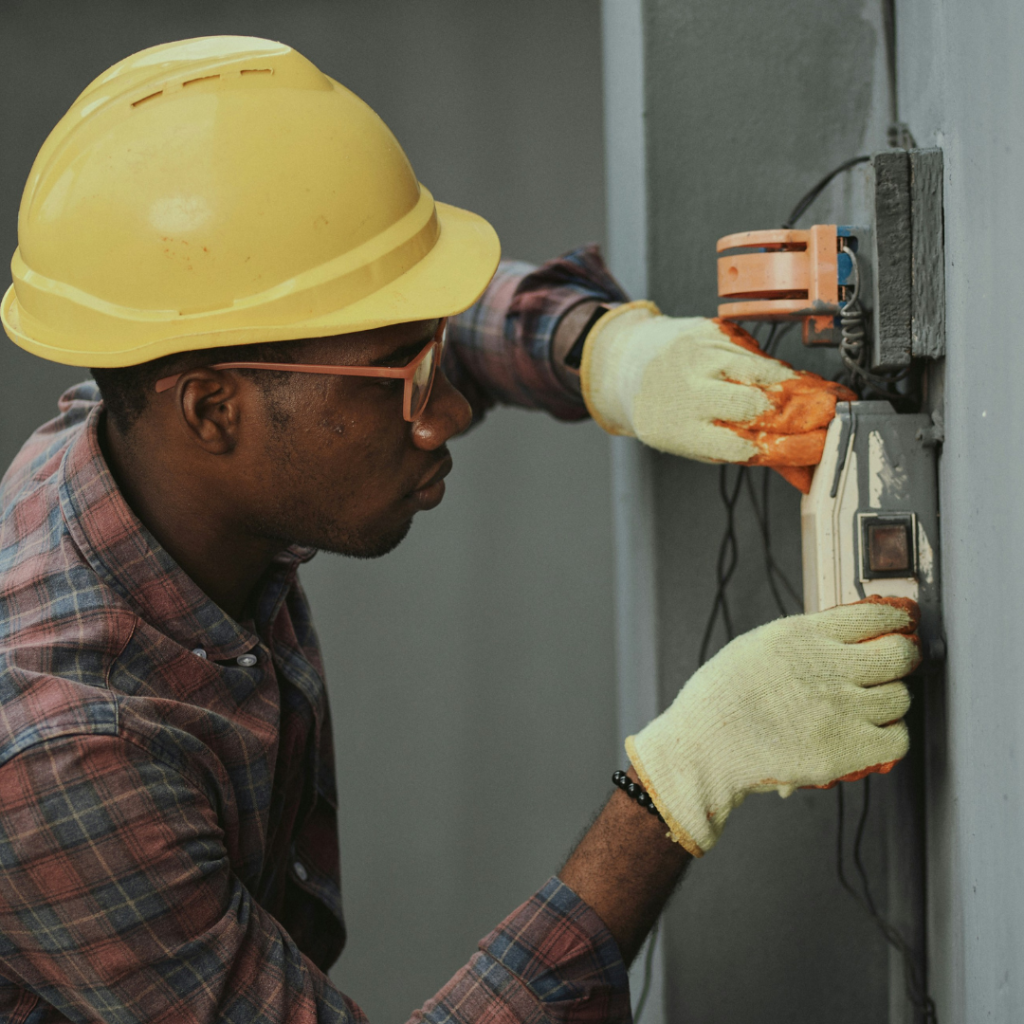
South Africa has about 50 TVET colleges that train students in many career paths that are essential for national growth. These include plumbing, civil engineering, rigging, electrical work, and hospitality. The training focuses on practical experience in workshops and training facilities. Many of these facilities rely on high speed internet to support modern learning tools, digital resources, and advanced equipment
In education, this allows students to access online learning platforms, download training materials, use virtual simulations, and connect to industry experts.
In South Africa today, TVET curricula include a whole host of high tech skills and qualifications, many of which are in high demand by our growing economy.
Modern workshops and modern classrooms
At a TVET college, students learn hands-on skills, but those skills are now supported by digital tools and connected infrastructure. Internet connectivity allows lecturers to introduce advanced training methods that prepare students for real workplaces.
Today, many TVET curricula include high tech subjects that are in demand in the South African economy. For example, courses in robotics, programming, and the Internet of Things (IoT) are becoming more common. The IoT refers to devices and machines that are connected to the internet and can share information with each other. This technology is widely used in factories, buildings, and transport systems.
“Internet connectivity allows lecturers to introduce advanced training methods...”
Automation and Robotics
In manufacturing industries, some manual tasks have been replaced with automated machines and robotics. However, these systems still need trained technicians to operate and maintain them. TVET students can begin studying for ‘jobs of the future’ in areas such as manufacturing automation, vehicle autonomy, security device hardware, infrastructure automation, and IoT technologies.
Students from as young as 16 can start courses in manufacturing automation, vehicle autonomy, security device hardware, infrastructure automation and IoT*

Agriculture, drones, and connected farming
Agricultural science is another area where digital infrastructure and internet access are changing training. Farming is essential for feeding South Africa’s growing population. Students learn how to operate industrial drones for crop spraying, study satellite images to monitor crop health, and track market prices using online platforms. These skills help farmers make better decisions and improve productivity.^
Virtual reality welding and safer training
The allure of sparks flying in a workshop has long been a symbol of a thriving manufacturing sector. In 2026, even this skill has been transformed by evolving training methods. Some colleges now use Virtual Reality (VR) to teach welding techniques.
Lecturers can set different virtual welding tasks, and students can practise safely in a simulated workshop. This approach reduces the use of expensive materials and improves safety in the classroom. It also allows students to repeat exercises many times until they master the skill.**
High speed internet and reliable digital infrastructure make these innovations possible. As South Africa continues to invest in connectivity for education, TVET colleges are becoming modern training hubs that combine practical skills with advanced technology. This shift is helping students prepare for jobs that are essential to the country’s economic growth.